Offer ends July 31.
Choosing the appropriate type of glass is essential for ensuring both structural reliability and visual consistency in modern residential and commercial environments. Different glass materials provide specific benefits depending on safety requirements, design preferences, and installation conditions. Whether the project involves glass railings, partitions, custom mirrors, or architectural interiors, understanding the differences between glass types helps ensure long-term performance and compliance with building standards. GlassFactory US works with property owners, architects, contractors, and designers across New Jersey and New York to determine the most suitable glass specification for each application.
Architectural glass can be categorized based on performance, appearance, and application. Each type serves a specific purpose depending on safety requirements, design goals, and installation conditions.

Glass engineered for durability, impact resistance, and compliance with building standards.
Glass selected for high transparency, minimal color distortion, and clean modern aesthetics.
Glass used to enhance design, privacy, and interior styling.
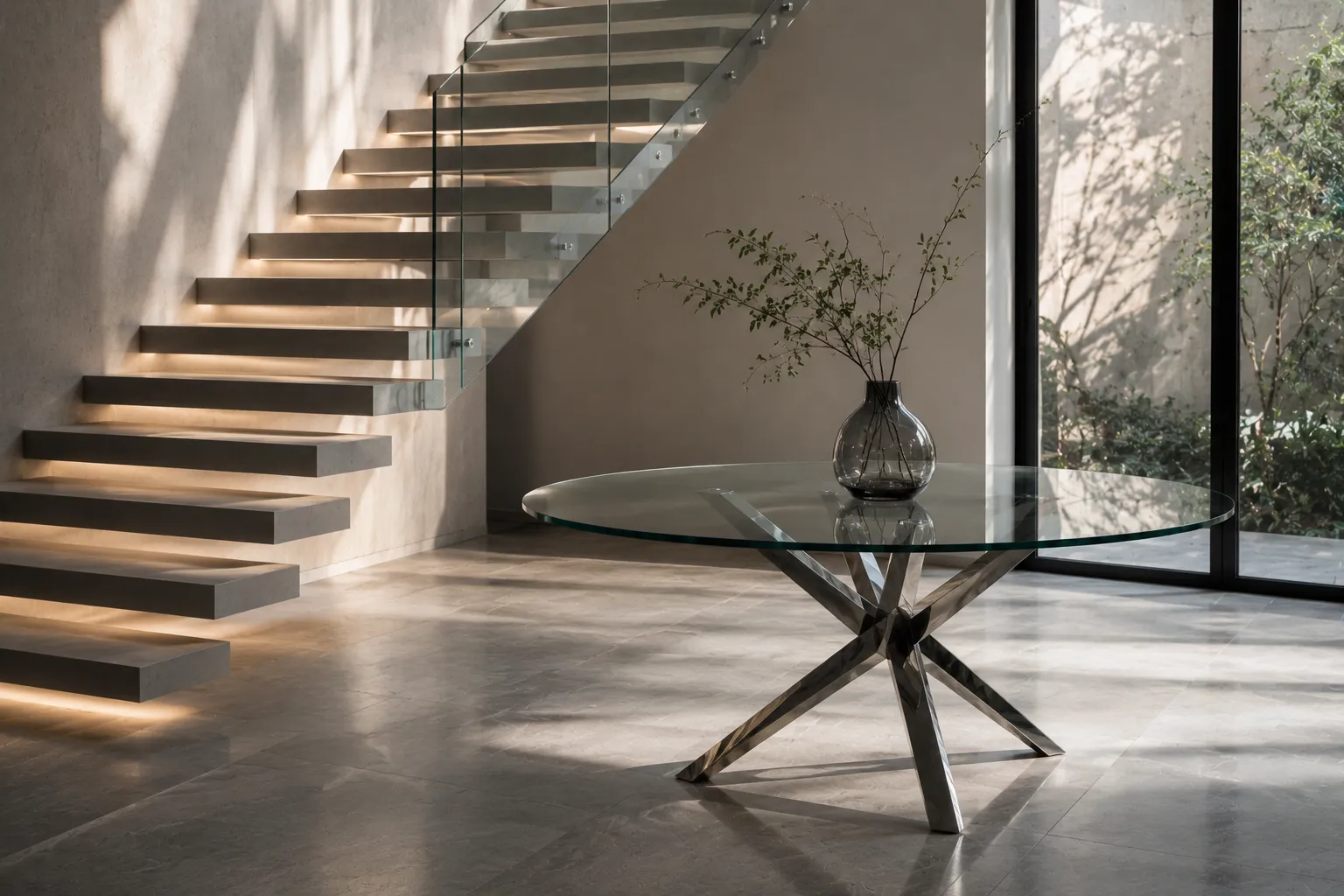
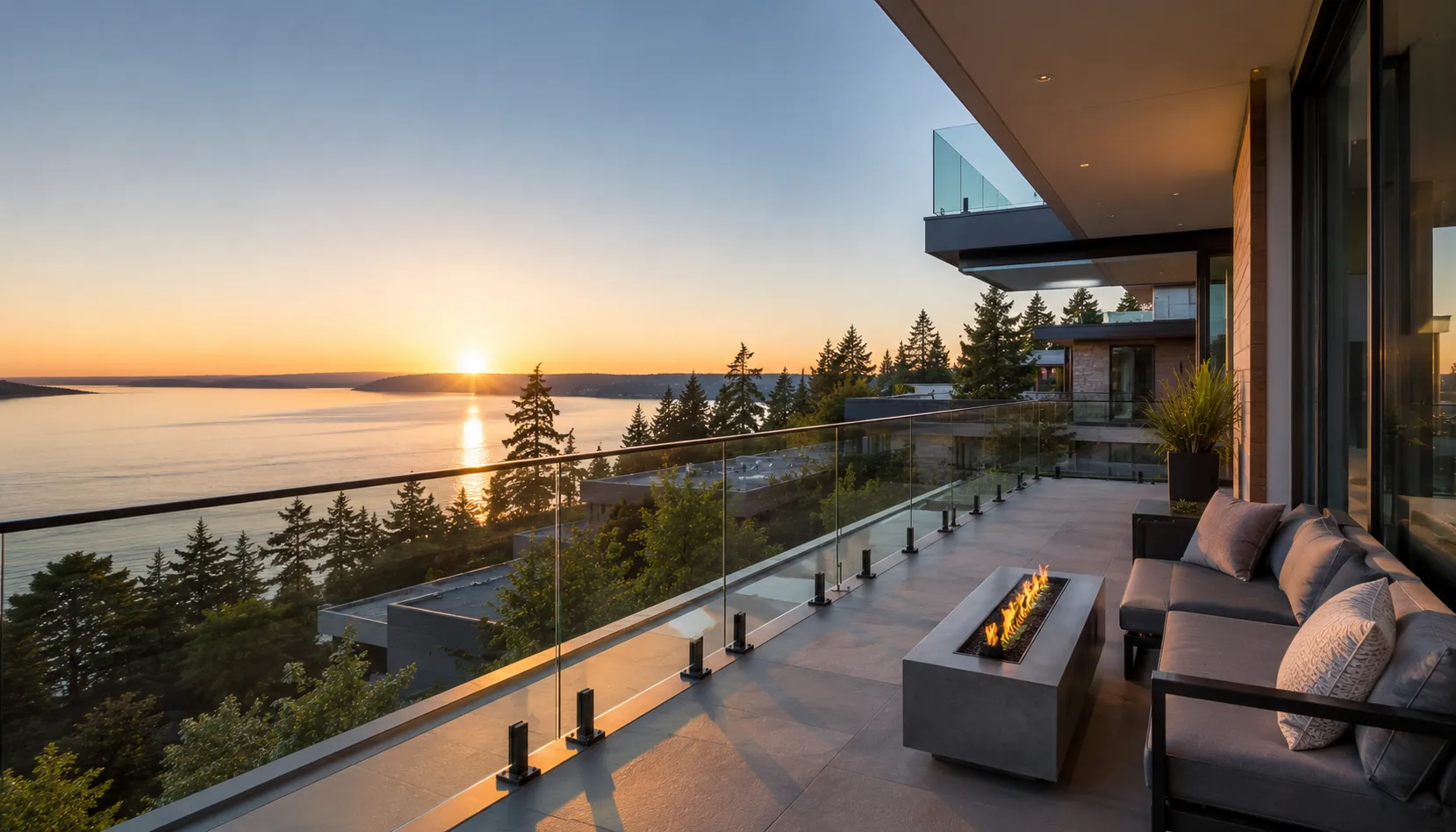
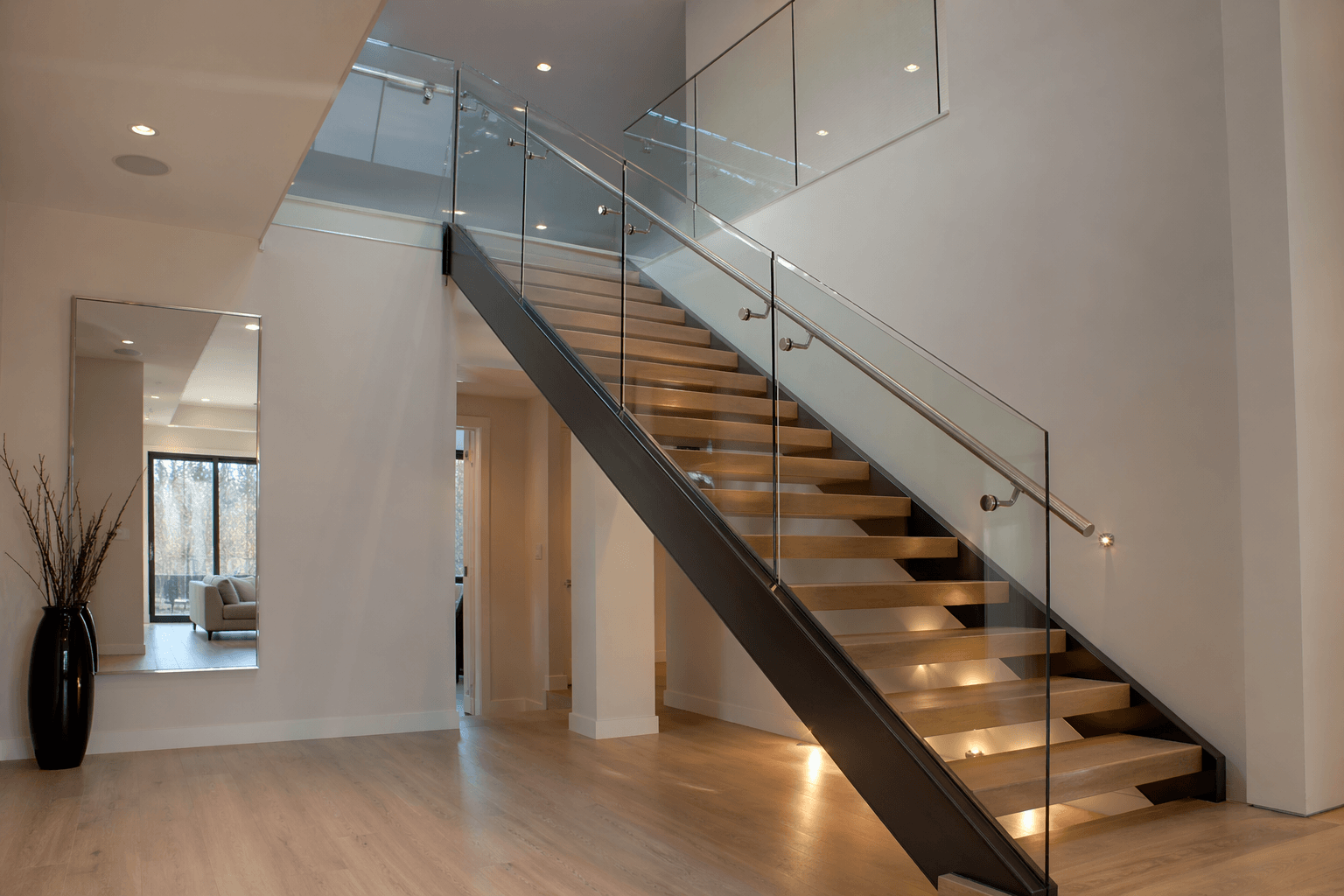
Tempered glass undergoes a specialized thermal process that significantly increases its strength compared to standard glass. It is designed to break into small rounded fragments, improving safety in case of impact.
Tempered glass is commonly used in railing systems, doors, and partitions where both durability and safety compliance are required.
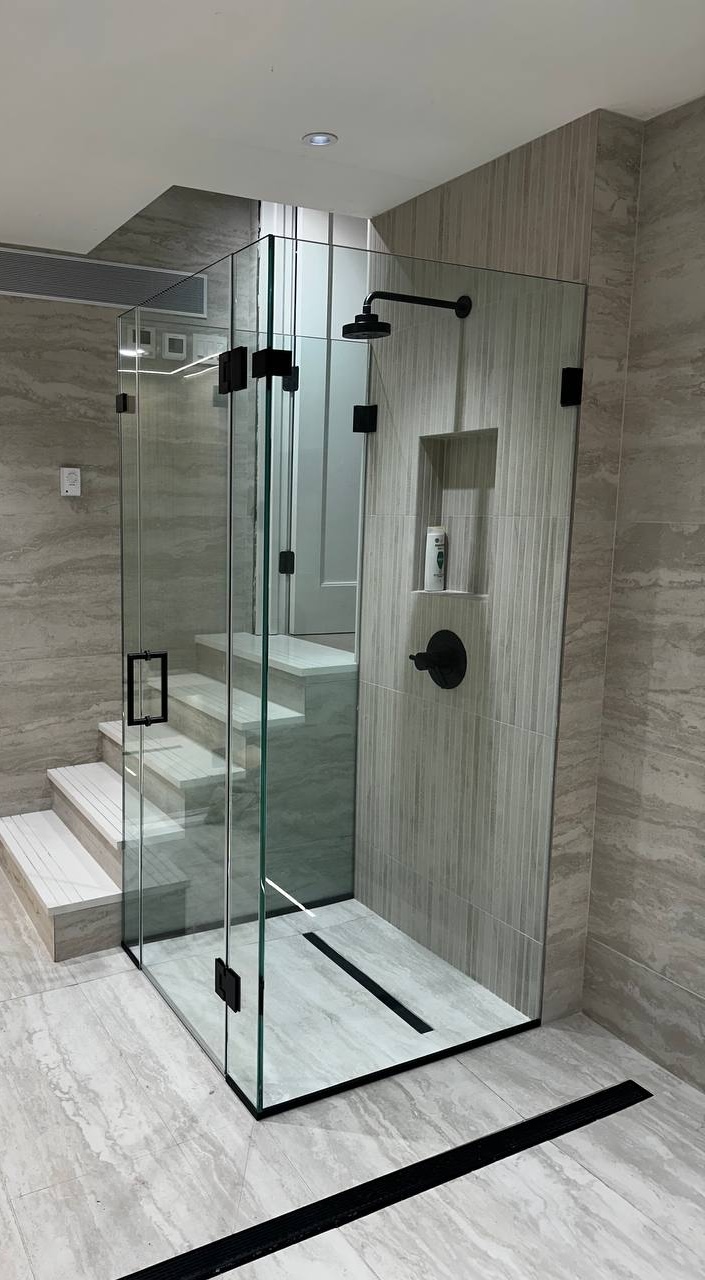
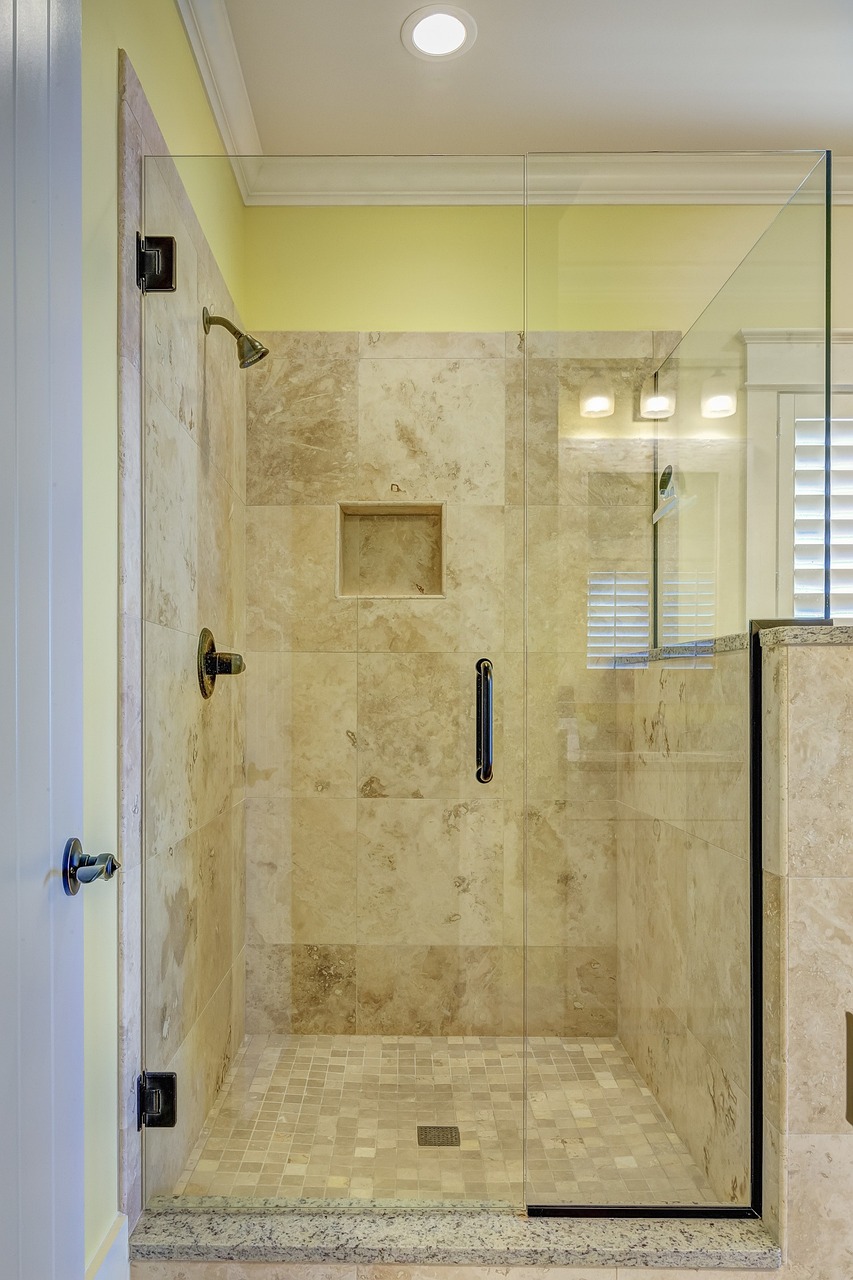
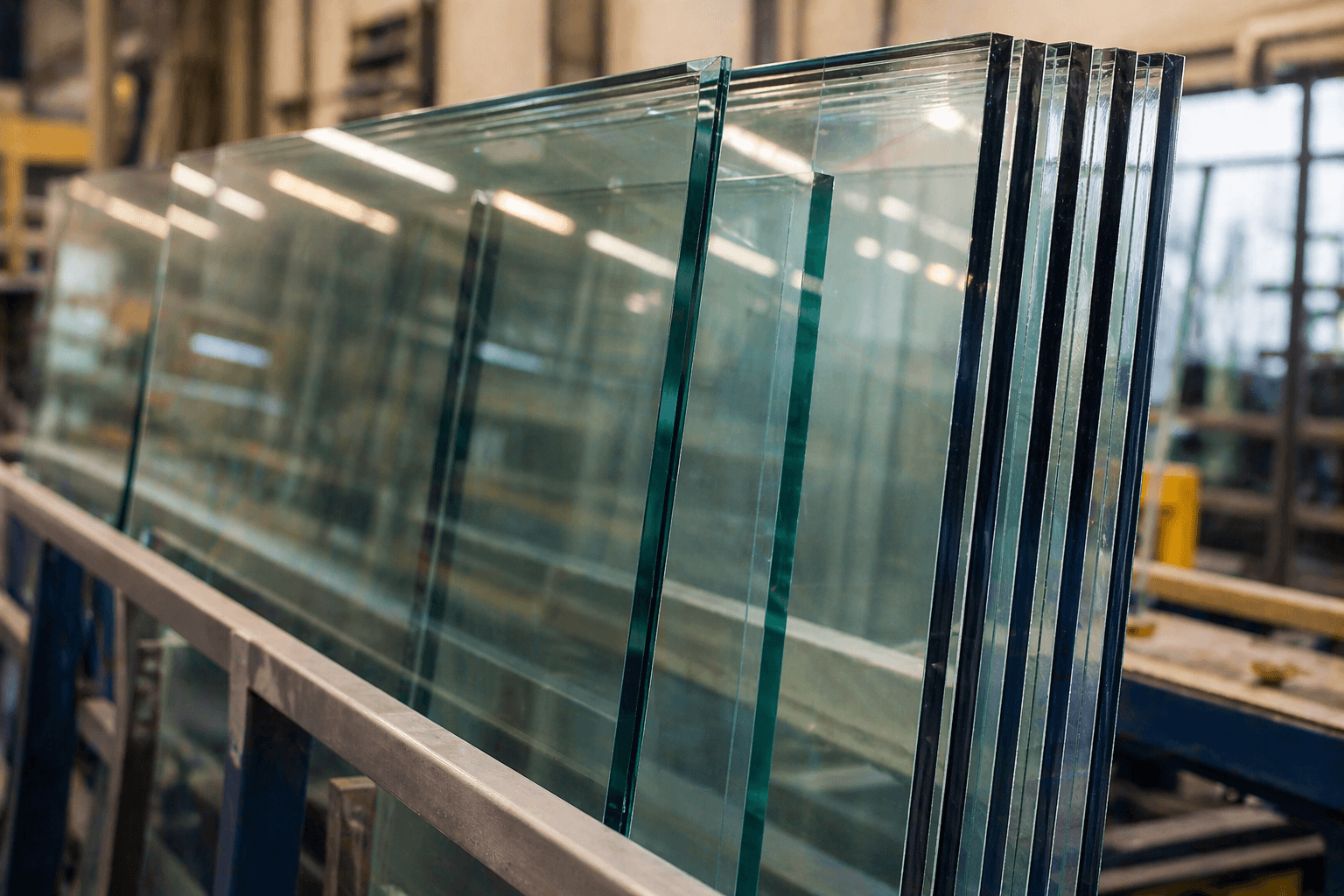
Laminated glass consists of multiple bonded layers joined by an interlayer that helps keep the glass intact even if damage occurs. This structure improves safety and provides additional sound control.
It is frequently used in exterior railings, commercial interiors, and high-traffic environments where additional protection is required.
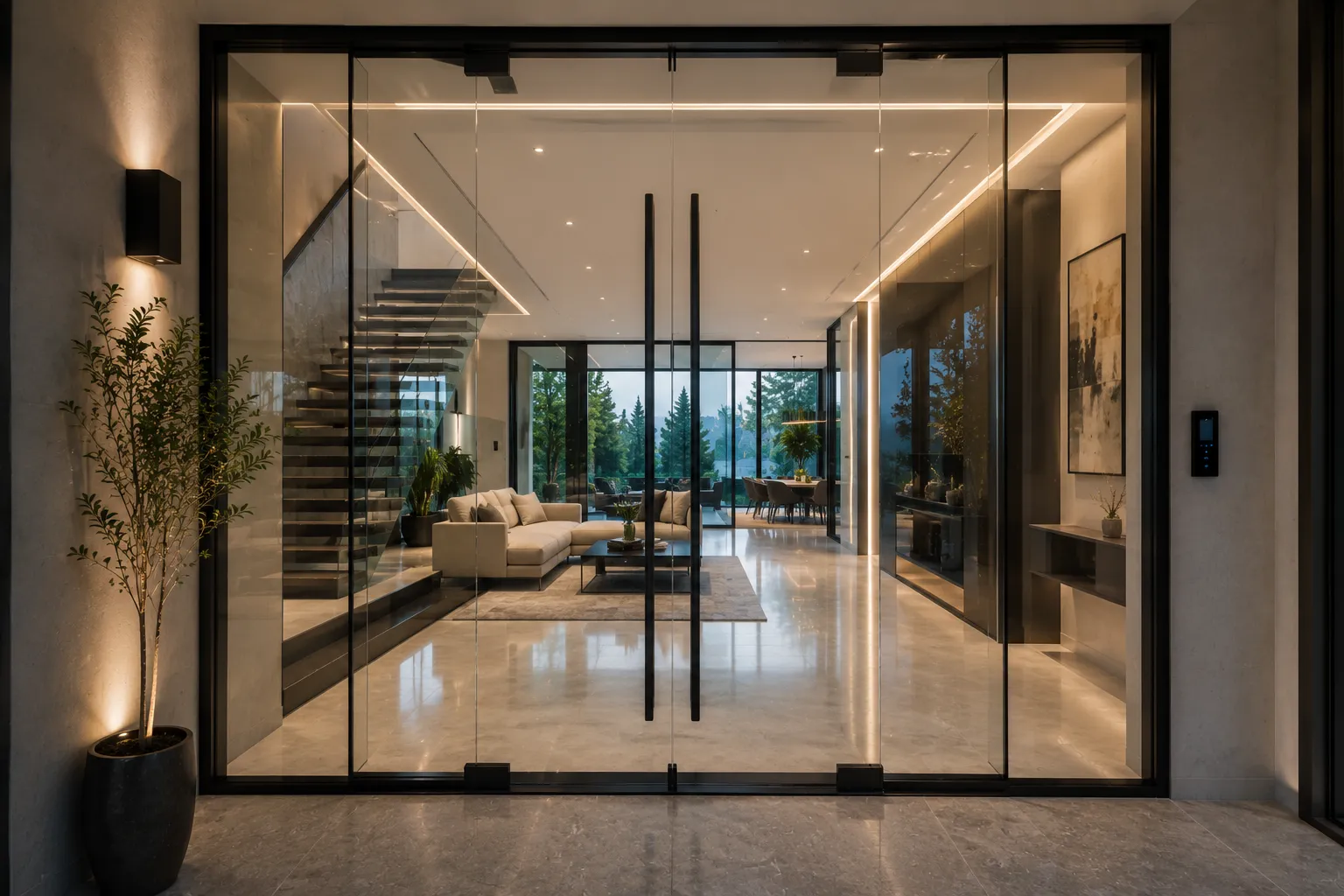
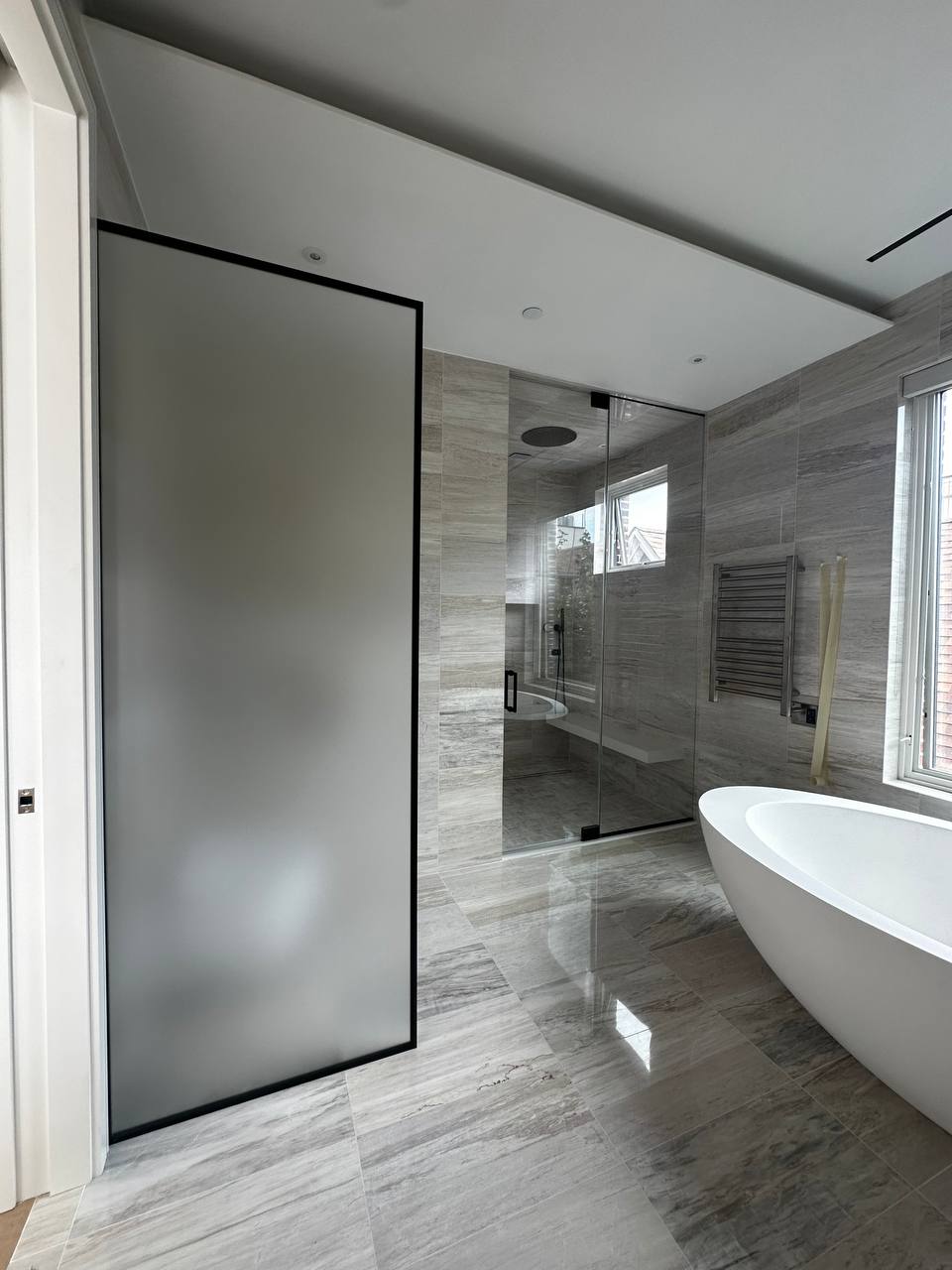
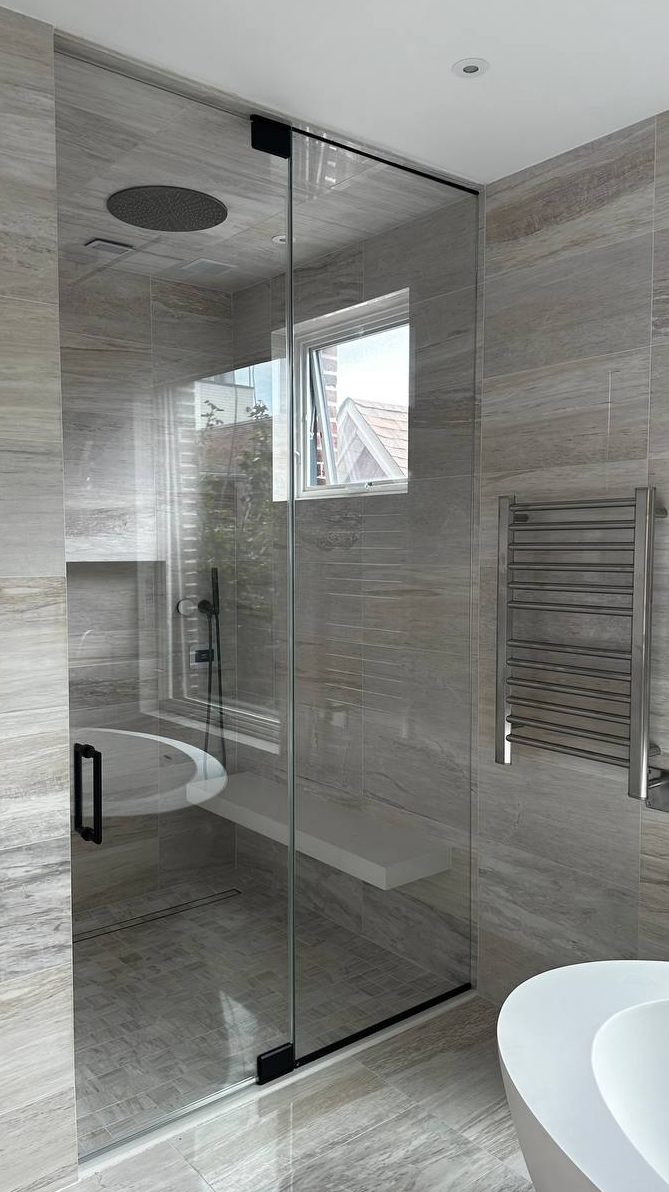
Frosted glass is treated to diffuse light while limiting visibility, making it suitable for interior applications requiring privacy without blocking natural illumination.
Often used in office partitions, interior doors, and architectural design features.
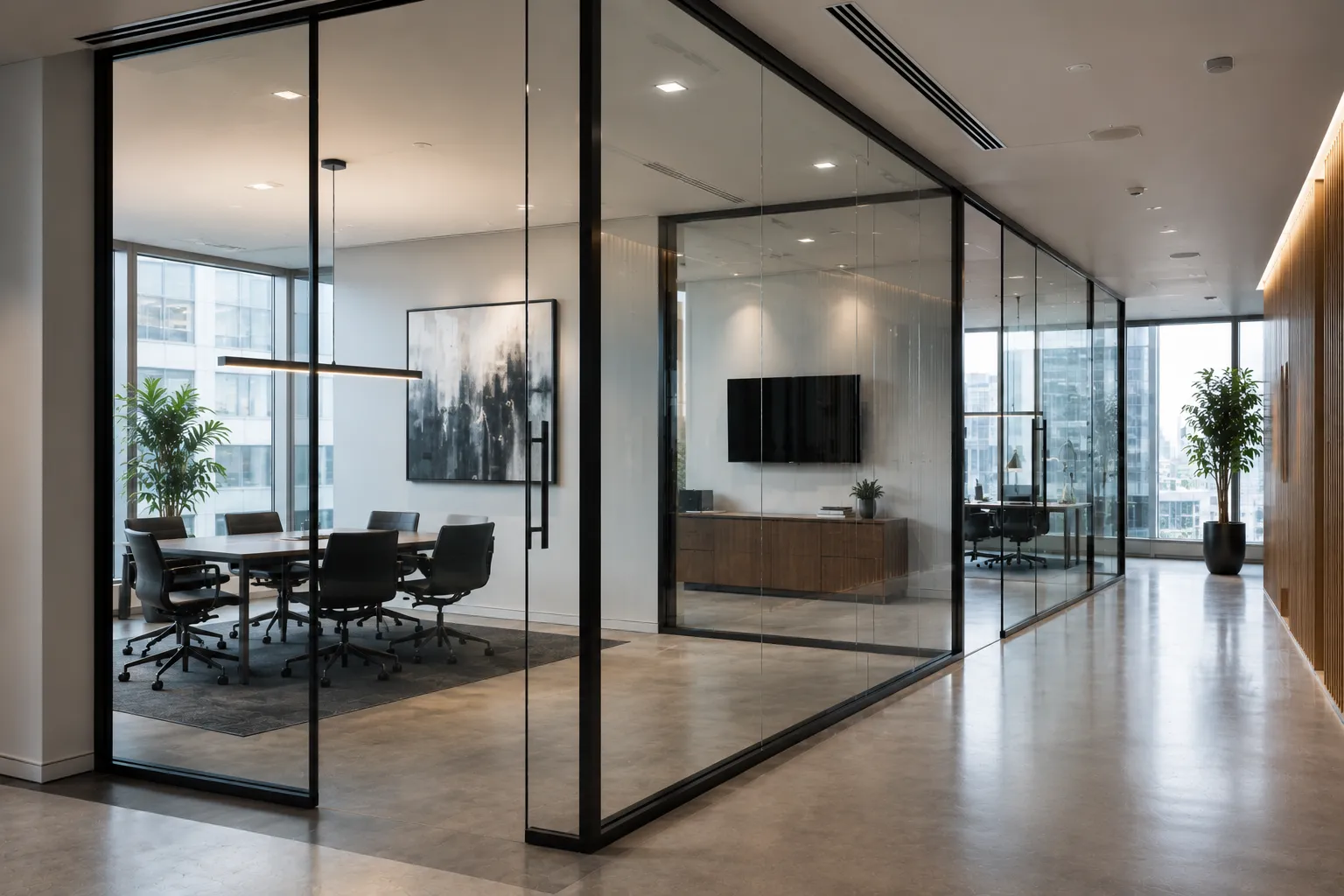
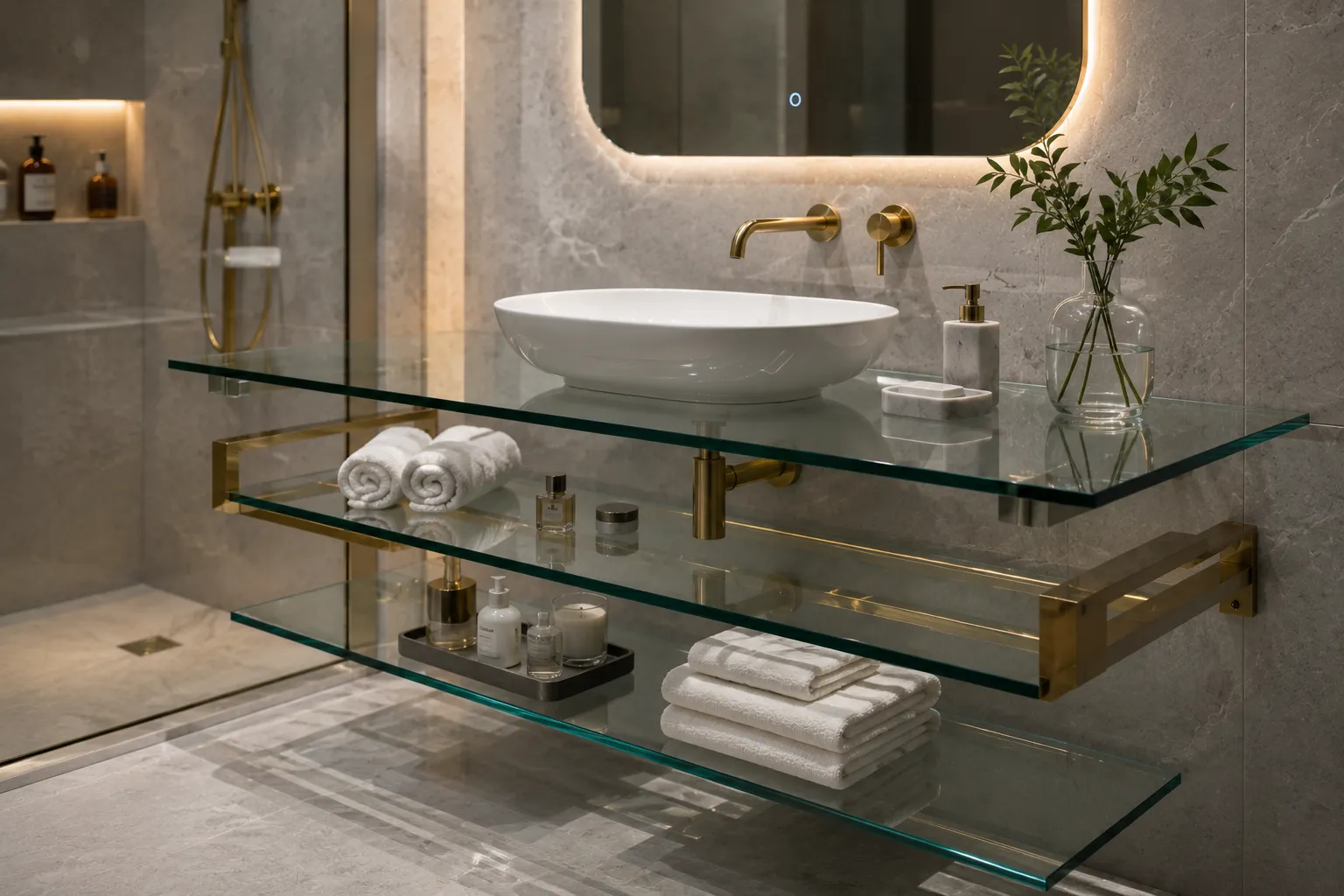
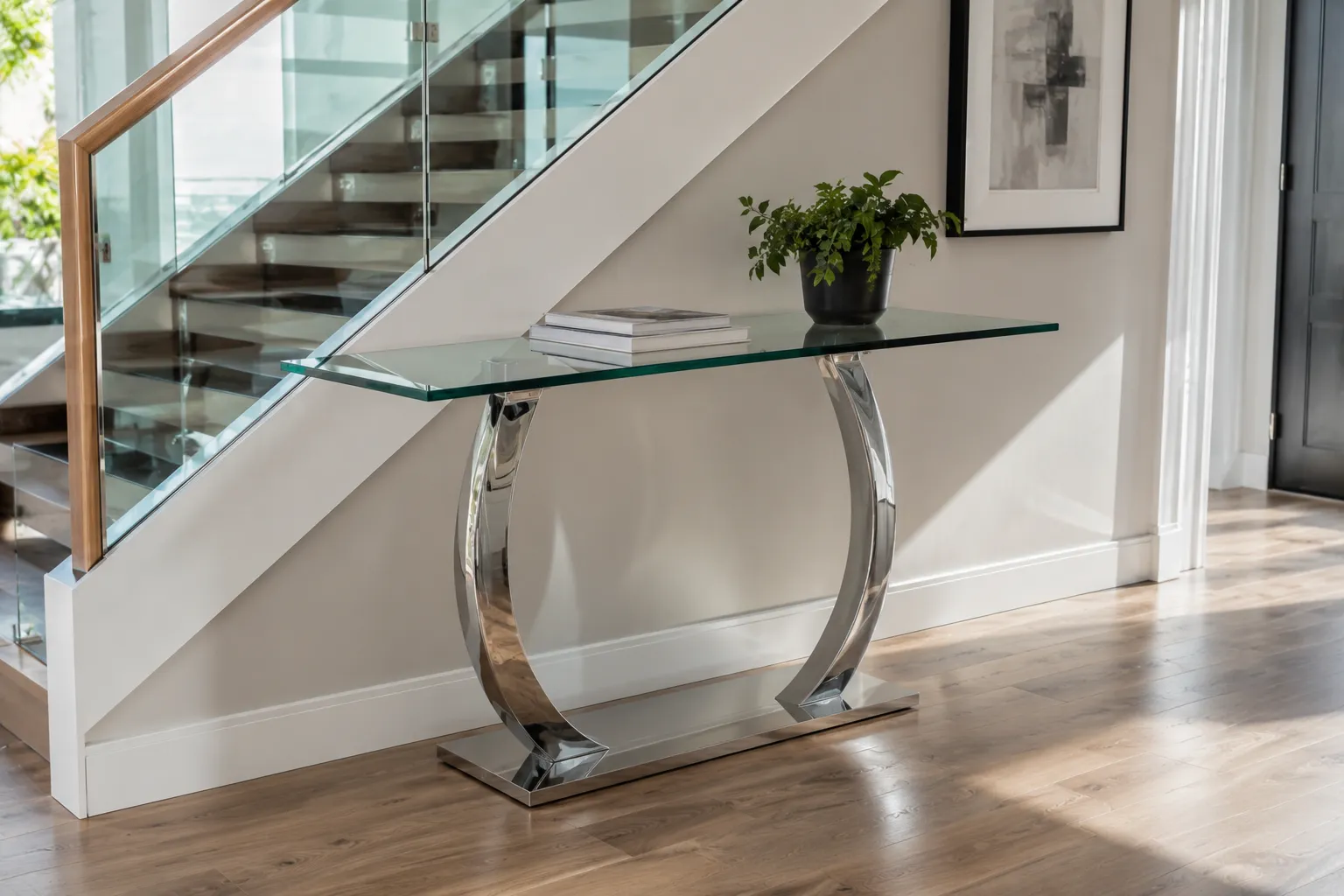
Low-iron glass is manufactured with reduced iron content, resulting in exceptional clarity without the green tint typical of standard glass. It is ideal for high-end modern designs.
It is frequently selected for high-end architectural applications where visual precision and material quality are important.
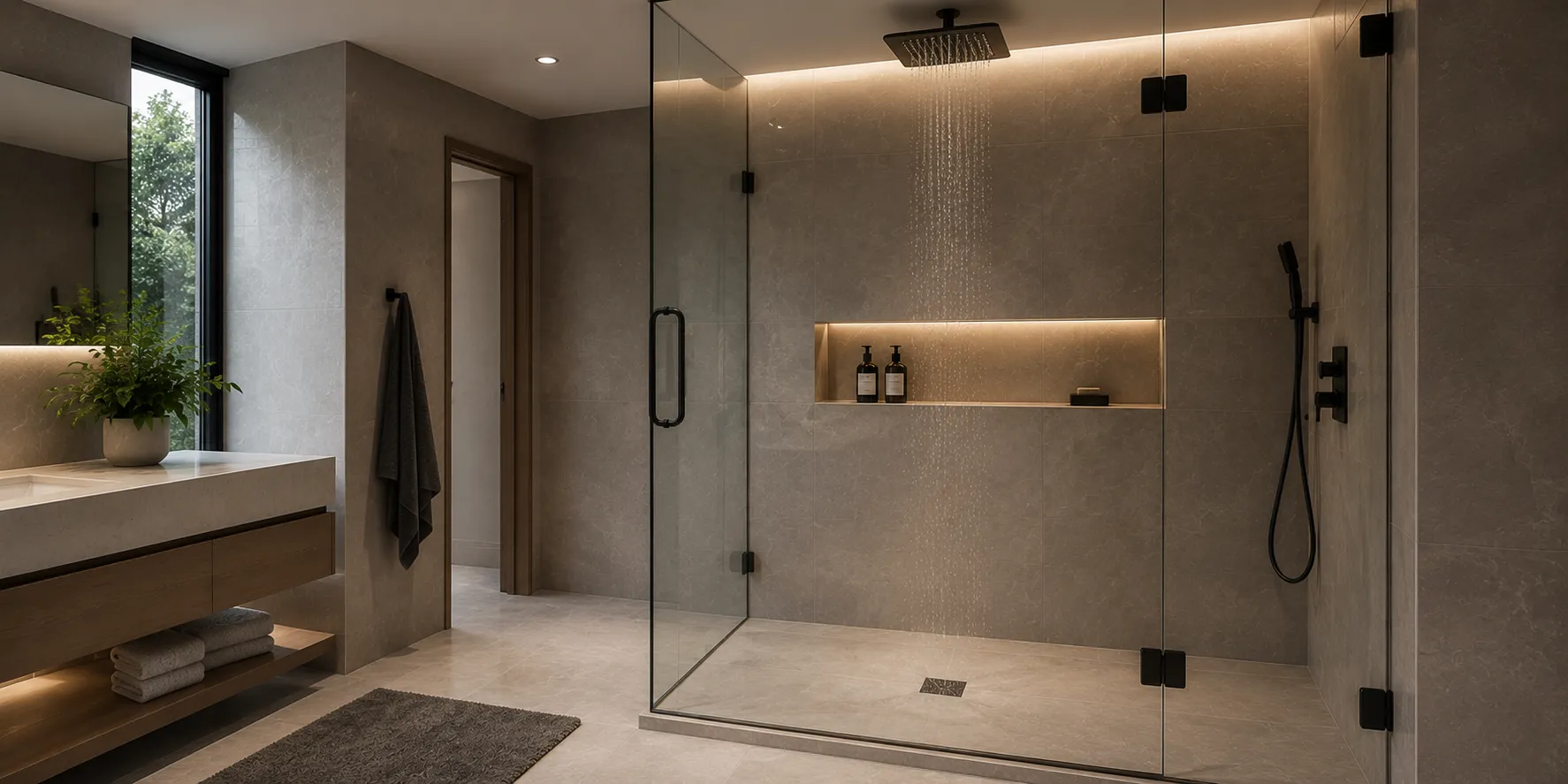
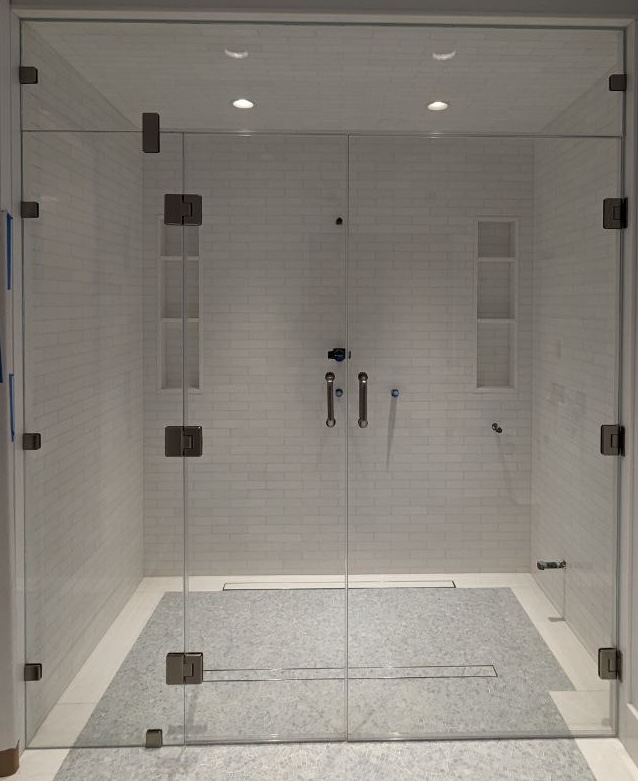
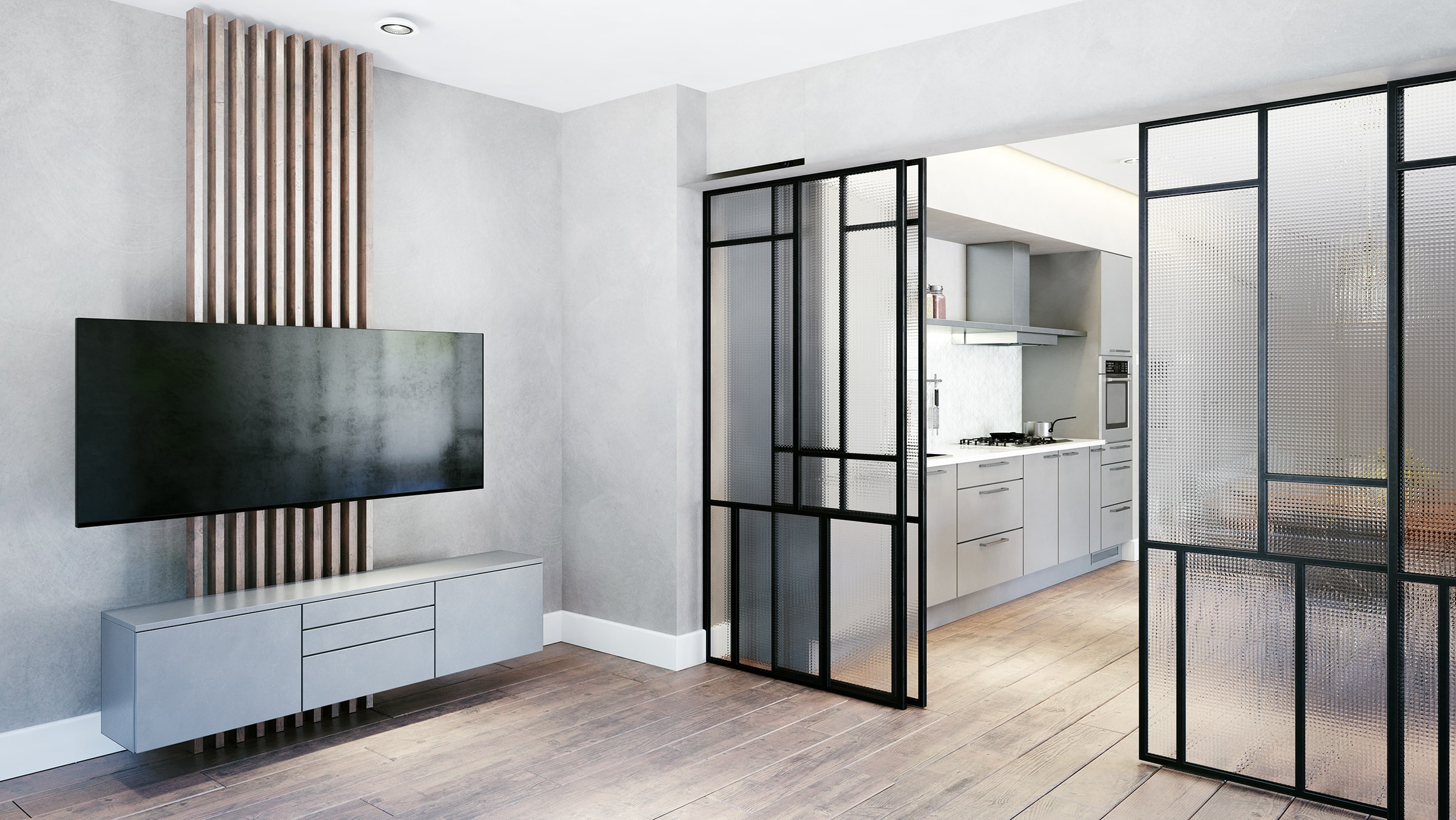
Clear glass remains one of the most versatile materials for both residential and commercial applications. It offers full transparency and works well across a wide range of interior installations.
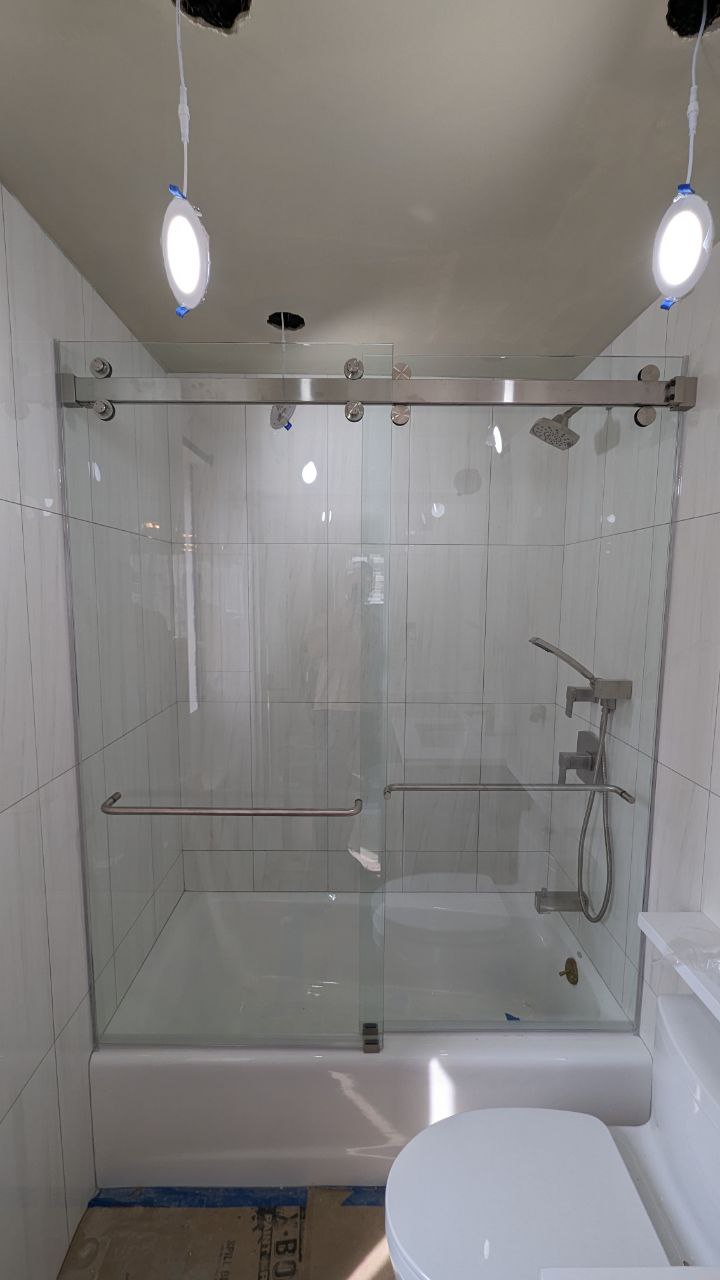
Tinted glass introduces color depth while helping reduce glare and solar heat transmission. It is commonly used in decorative and commercial architectural applications.
Projects in New Jersey and New York often require glass that meets specific structural and safety standards. From high-rise requirements in Manhattan to residential building codes in NJ, selecting the correct glass type is critical for safety and durability.
GlassFactory US evaluates structural loads, design specifications, and architectural requirements to ensure each glass solution meets safety expectations and performs reliably over time.
The right glass depends on safety requirements, location, design preferences, and maintenance expectations. Our team helps NJ & NY clients choose the best option for both residential and commercial projects.
| Glass Type | Primary Benefit | Typical Application |
|---|---|---|
| Tempered | Impact resistance | Railings, doors, partitions |
| Laminated | Structural safety | Partitions, exteriors, floors |
| Low-Iron | Visual clarity | Luxury railings, mirrors, interiors |
| Frosted | Privacy | Offices, bathrooms, dividers |
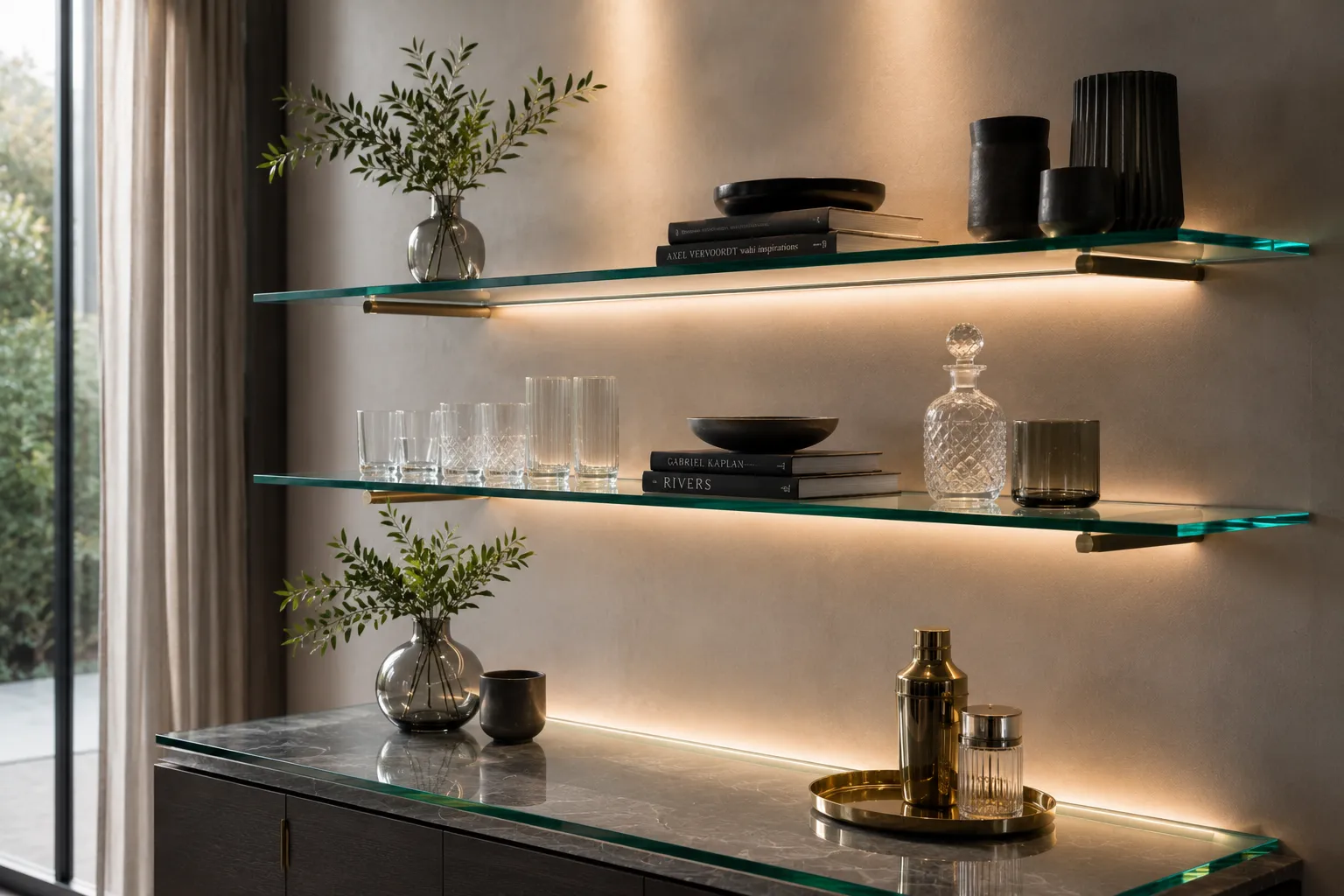
| Clear | Versatility | Partitions, railings, shelving |
| Tinted | Glare reduction | Facades, doors, interiors |
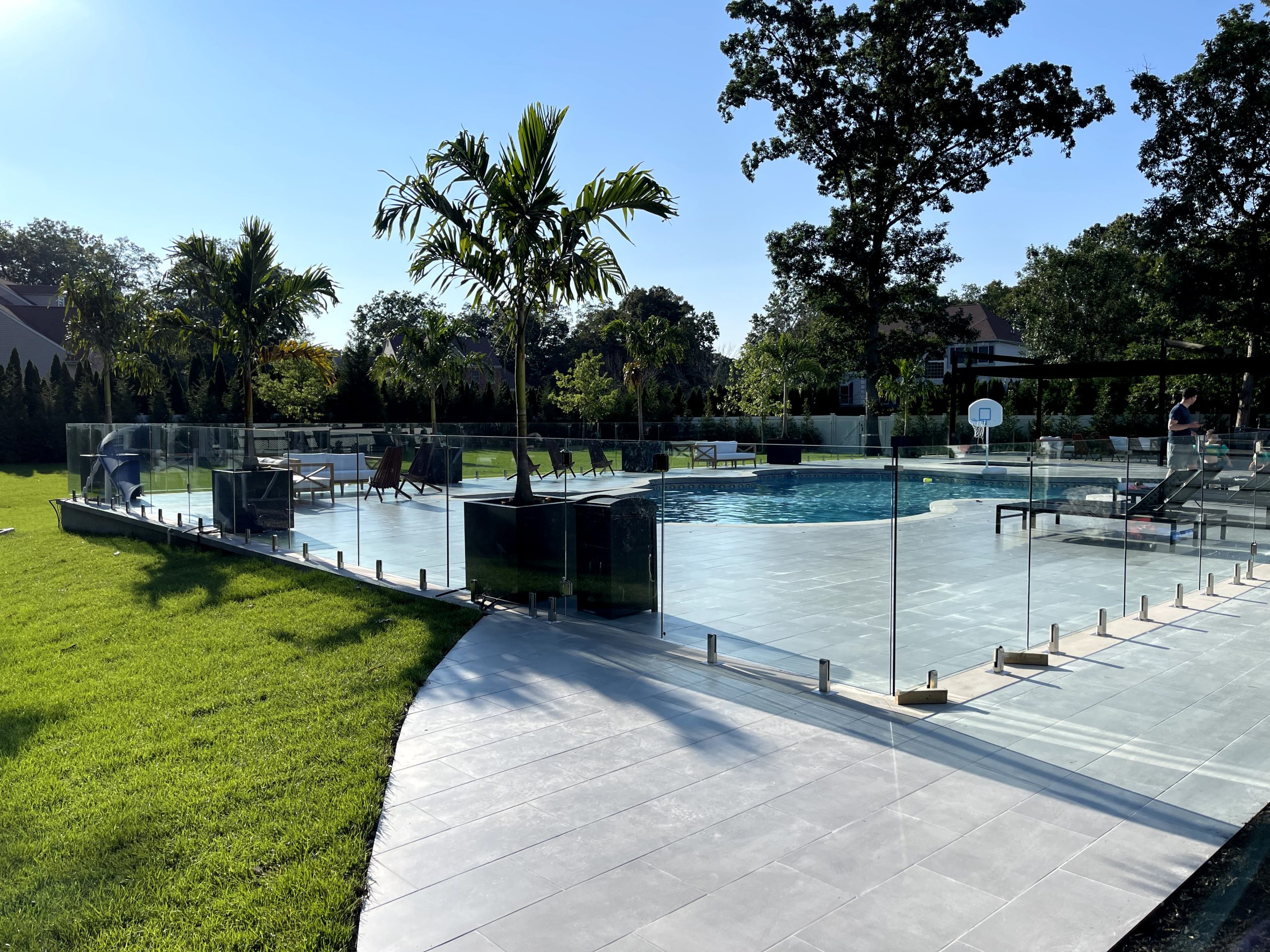
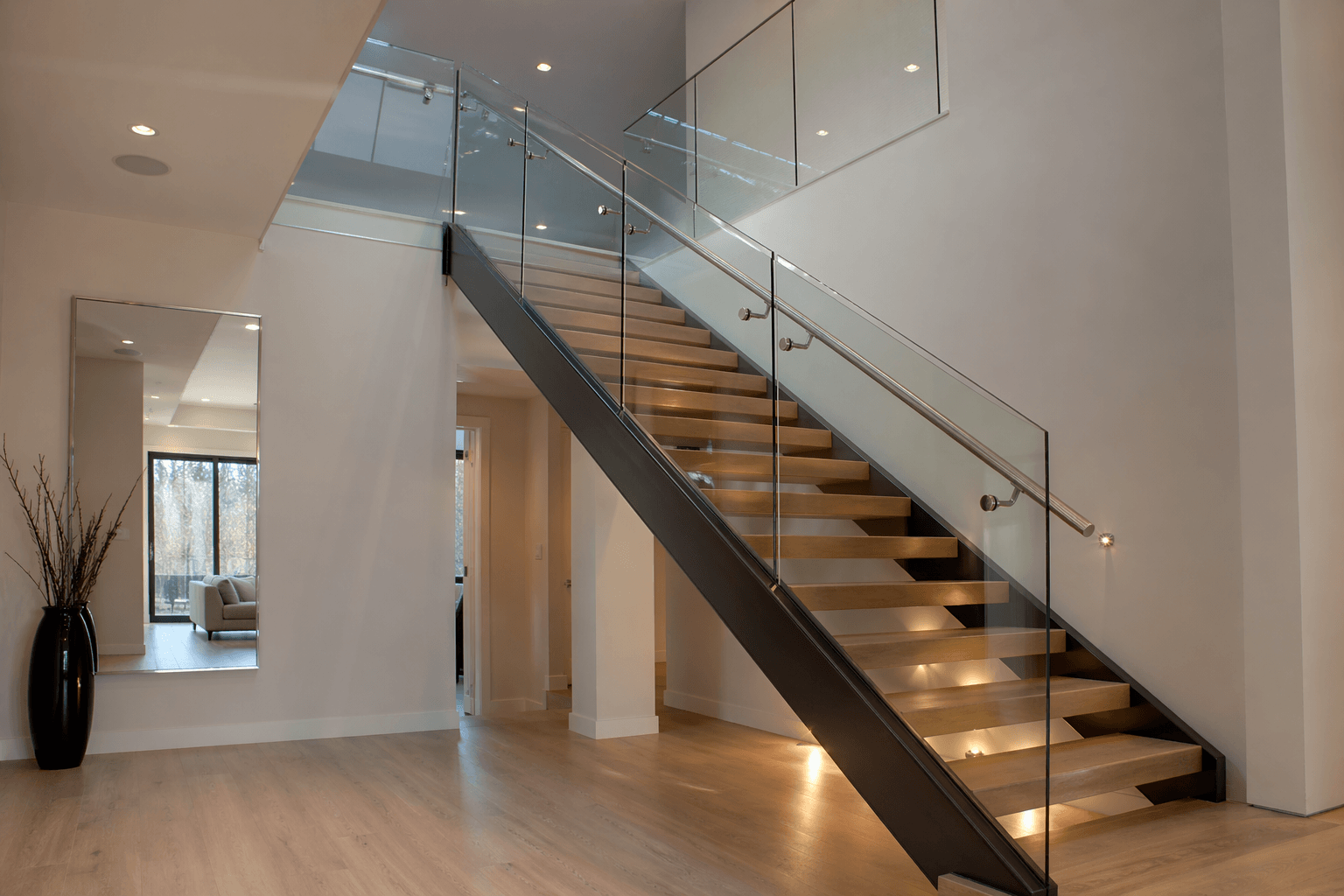
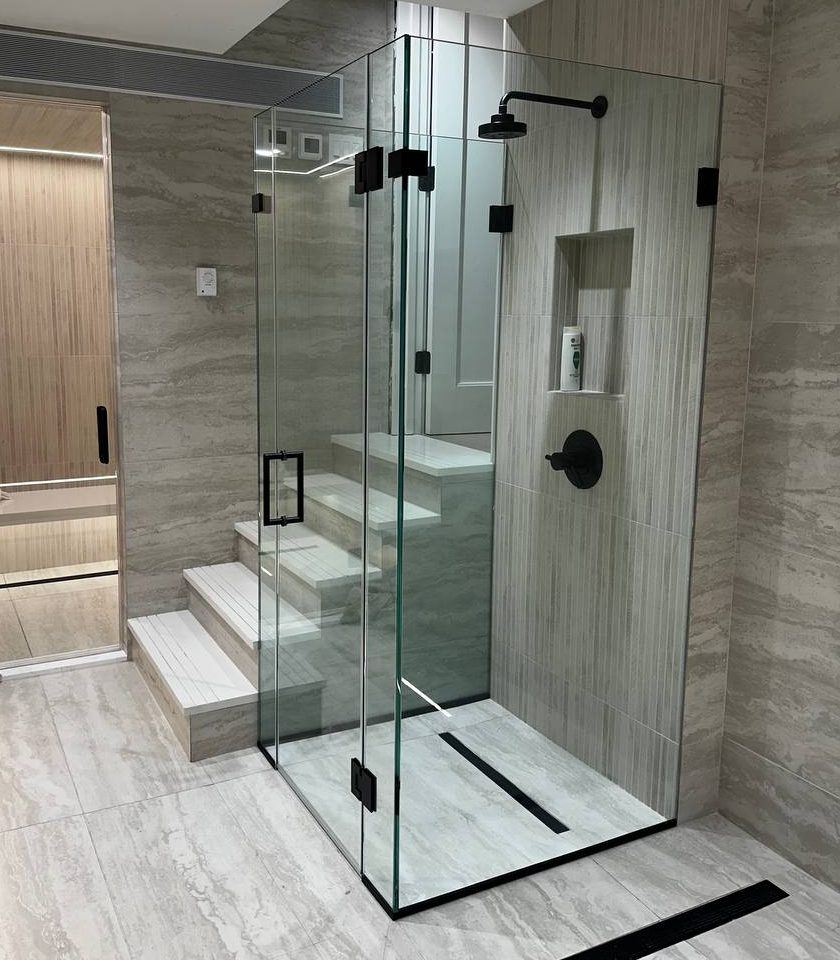
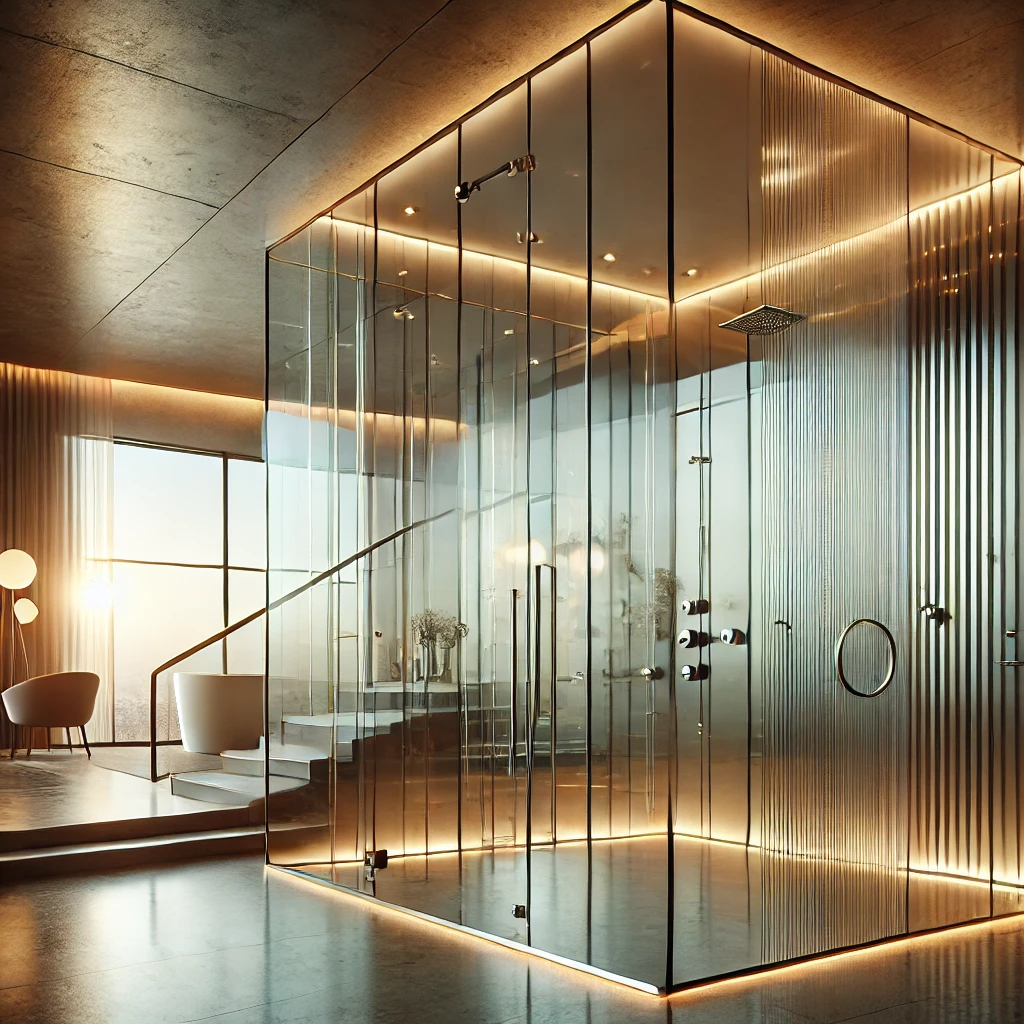
Examples of completed architectural glass installations in New Jersey and New York:
Tempered and laminated glass provide high levels of safety depending on the structural requirements of the project. Tempered glass is heat-treated to be several times stronger than standard glass and breaks into small, blunt fragments rather than sharp shards. Laminated glass adds a bonded interlayer that holds a cracked panel together, which is why it's preferred for elevated and overhead applications. For the most demanding projects, the two are often combined.
Tempered or laminated glass is typically used for railing systems depending on safety requirements and local NJ/NY building codes. For exterior or elevated railings, laminated glass is usually specified because its interlayer keeps a broken panel in place instead of letting it fall. Interior runs may use tempered where that fragment retention isn't required. We match the glass to the location and the code that governs it across NJ and NY.
Low-iron glass is commonly selected for premium interiors and luxury railings where maximum clarity is desired. Standard glass carries a faint green tint that becomes obvious on thicker panels and exposed edges, while low-iron removes it for true color rendering. That makes it the choice for custom mirrors, frameless showers, and high-end railings where clarity matters. On a thick panel the difference is easy to see side by side.
Yes, laminated glass helps reduce sound transmission and is often used in commercial interiors and busy urban environments. The interlayer absorbs vibration that single-pane glass simply passes through, which is what gives it the acoustic advantage. That makes it effective for office partitions and street-facing installations in dense NJ and NY buildings. Pairing it with full-height seals further cuts the noise that escapes around the edges.
Glass thickness typically ranges from 3/8" to 3/4" depending on panel size, layout, and structural requirements. Larger panels and free-standing frameless systems call for the thicker end of that range to stay rigid and safe. Base-shoe and standoff mounting also influence the right specification. We calculate the exact thickness from the load and layout before fabrication.
Our specialists provide consultation, precise measurement, and professional installation across NJ and NY. (929) 365-4385
